
Scaling Zealafoam: A Drop-In, Plant-Based Solution to the Polystyrene Crisis
The global movement to ban single-use plastics is accelerating, and the target is firmly set on polystyrene.
While the environmental mandate is clear, the commercial reality is highly complex. Supply chains, particularly for high-value food and pharmaceuticals, rely heavily on the insulation and impact resistance that traditional polystyrene provides.
Solving this crisis requires more than just banning a harmful material. It requires providing a viable, sustainable alternative that performs just as well, without forcing global manufacturers to spend billions rebuilding their infrastructure.
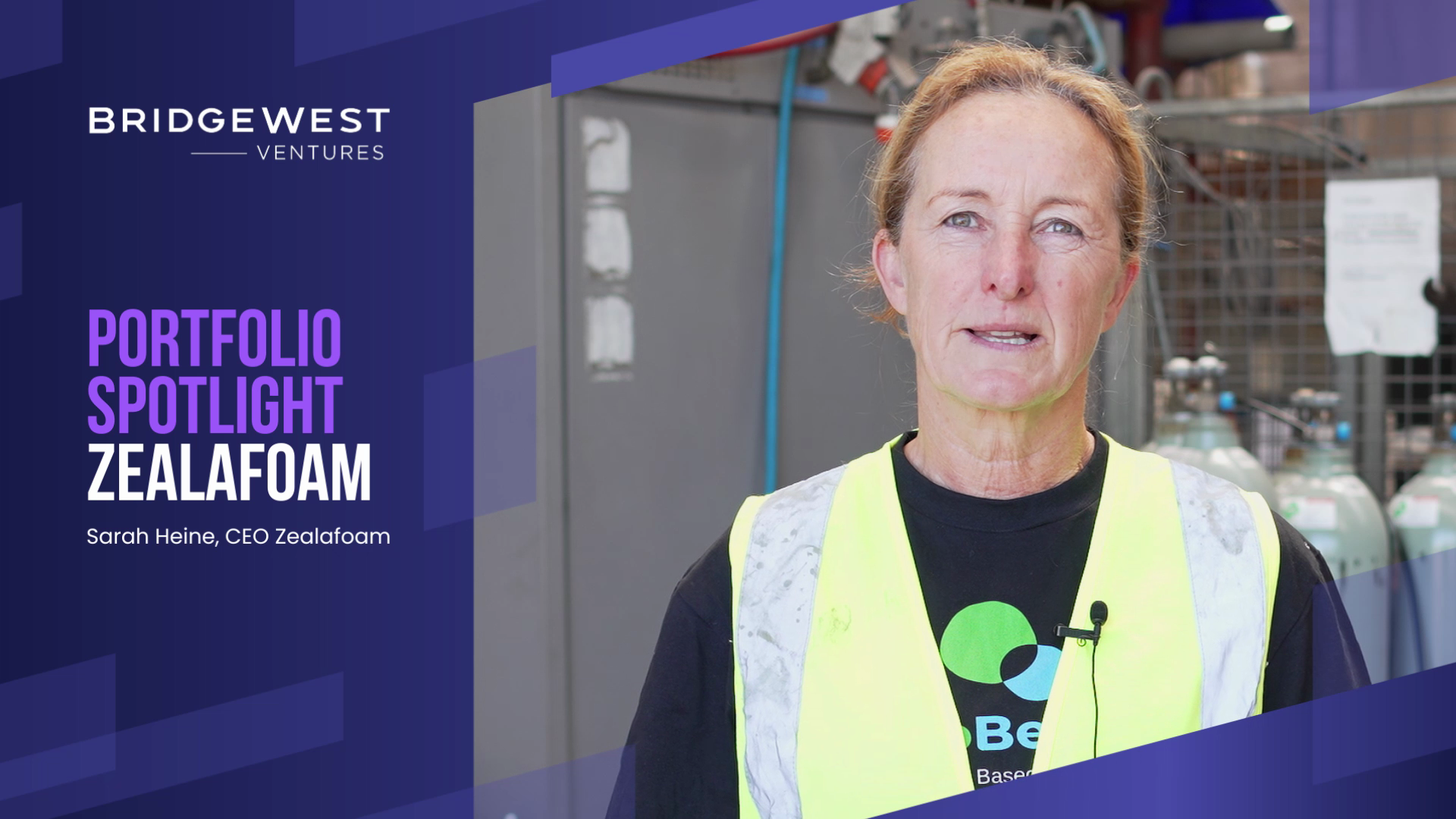
Zealafoam has engineered exactly that. Sarah Heine, Zealafoam CEO explains:
"What we have done in response to the global polystyrene crisis is to develop a plant-based replacement for polystyrene"
But the true genius of Zealafoam isn't just in the material itself, it’s in the pragmatism of its design.
The "Drop-In" Commercial Masterstroke
In the deep tech world, many brilliant sustainable innovations fail to reach global scale because the cost of adoption is simply too high for traditional industries. Zealafoam bypassed this hurdle entirely by designing a material that works within the current global manufacturing ecosystem.
"A key feature of Zealafoam is that it can be moulded using existing polystyrene equipment. That means all of the thousands of machines globally set up to produce polystyrene can use Zealafoam as a drop-in replacement polymer. We can use those machines without the need for expensive new infrastructure. They can produce polystyrene one minute, and Zealafoam the next."
This seamless transition also delivers massive environmental benefits. The production of Zealafoam results in carbon emissions up to 80% lower than traditional polystyrene. Furthermore, it offers multiple end-of-life options without compromising on performance - it can be safely incinerated, industrially composted, or recycled and reused.
Capturing a Nineteen Billion Dollar Market
The commercial opportunity for a drop-in replacement is staggering. The global market for polystyrene in 2025 was estimated at upwards of US$19 billion. With approximately two-thirds of that market dedicated to construction and packaging, Zealafoam knows exactly where to aim its focus.
After years of meticulous development, extensive factory tests, and scaling production, the company is now fully production-ready. They have been producing loose-fill packaging in New Zealand and Australia for several years and are now moving aggressively into molded boxes.
Currently, Zealafoam has molded boxes in active commercial trials with gelato, seafood, and oyster companies, aiming for full commercial production within months. Most notably, they have secured their first client in Europe, a market with stringent sustainability regulations, who is preparing to produce the foam locally.
The Reality of Taking Deep Tech Global
Navigating this transition from a brilliant piece of local technology to a globally commercialised product is a notoriously difficult journey for any founding team.
"When you start up a small business, you tend to do it because you know a lot about your specific technology. There's a huge number of things in attracting investment, securing funds, starting up a business, and going global that you know nothing about. You know your stuff, but you can't know everything."
This is where the transition requires a specific kind of commercial partnership. Bridgewest Ventures came on board as the first investor, helping Zealafoam complete their initial funding round. That capital enabled the team to commission the high-pressure machinery needed to make their crucial move into the European market.
But beyond the capital, the partnership provided the infrastructure and guidance required to navigate international expansion.
"Once Bridgewest Ventures invested in our company, it was like becoming part of a larger family. Not only because all the other startups they work with are facing the same challenges, but also all of the infrastructure and support that Bridgewest put around you for globalisation, investment, and commercialisation. They are so supportive... they make you feel part of a network that you can tap into when you need help, which is gold."
A Vision for the Future
Zealafoam’s trajectory is a testament to what New Zealand's innovation ecosystem can achieve on the world stage. Their vision is to retain ownership of the core technology in New Zealand while licensing and exporting the capability globally.
Within the next three years, the company aims to have multiple manufacturers operating across Europe and at least two other major jurisdictions, such as North America. Because they are supplying a drop-in polymer rather than building physical factories around the world, their ability to scale rapidly is virtually unconstrained.
Zealafoam is proving that solving the world's biggest environmental challenges doesn't require tearing down the old systems. Sometimes, it just takes brilliant, practical science to help traditional industries transition to a better future.